Arthur C. Clarke — Author (16)
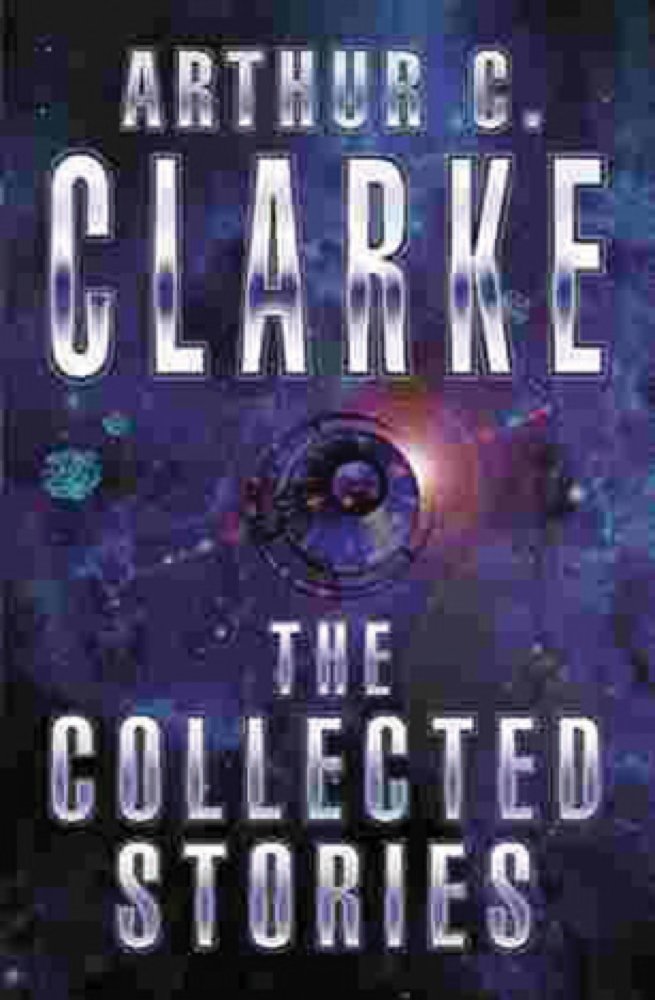
The Collected Stories [Book] Goodreads
The definitive collection of short stories from the century's greatest science fiction writer
All of Arthur C. Clarke's short stories collected in one volume, beginning with Travel by Wire - Clarke's first ever published short story.
A volume which showcases his range and variety, each story a classic example of the unique mixture of speculation and fiction which has made Clarke a household name.
All of Arthur C. Clarke's short stories collected in one volume, beginning with Travel by Wire - Clarke's first ever published short story.
A volume which showcases his range and variety, each story a classic example of the unique mixture of speculation and fiction which has made Clarke a household name.
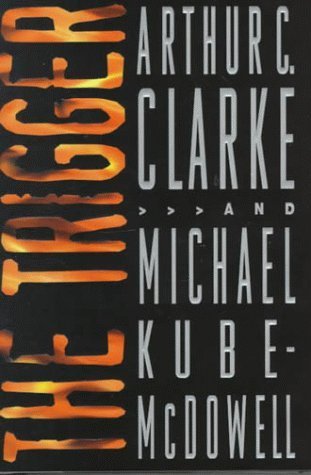
The Trigger [Book] Goodreads
What would happen if someone invented a device that could render guns and bombs virtually harmless? What would be the effect on crime, on terrorism, on international relations? Would it mean the end of war--or a whole new kind of war?
Here is a breathtaking new novel by the legendary Arthur C. Clarke, bestselling author of 2001: A Space Odyssey and creator of the Rama series, that is equal parts real-life scientific speculation and edge-of-your-seat thriller. In collaboration with Michael Kube-McDowell, Clarke tells a riveting, heart-stopping tale in which the fate of humankind depends on whose finger is on... The Trigger .
They dubbed it the Trigger, and in a world where violence had reached epidemic proportions it offered the one true promise for a civilized peace. For the first time it would be possible to take the guns out of the hands of armies, dictators, and thugs. Yet, like those who once believed that nuclear weapons would be the ultimate deterrent to war, could the scientists who invented the Trigger also be mistaken? Would this new technology bring peace, or chaos?
It was a question that haunted Dr. Jeffrey Horton, the brilliant young physicist responsible for the Trigger's development. His was a discovery with the potential to transform the world, but the road to a better future was anything but clear. Who should control this technology? How could its potential be realized? Horton and his team understood the danger of letting the American government know about the Trigger--as well as the danger of trying to keep it from them.
But not even Horton could foresee the fierce struggle that would erupt among Washington's power elite both to possess and to destroy the Trigger. Before long it becomes clear that science is being held hostage to politics and that no one can be trusted--not even Horton's own dedicated colleagues nor his long-time hero and mentor, the brilliant Nobel Prize-winning physicist Dr. Karl Brohier. Someone has already betrayed the project. Others will do anything to stop it--or co-opt it for their own ends. Too many people have a stake in the business of violence to give peace a chance. And the greatest enemy of all may be those with the best intentions.
Here is a breathtaking new novel by the legendary Arthur C. Clarke, bestselling author of 2001: A Space Odyssey and creator of the Rama series, that is equal parts real-life scientific speculation and edge-of-your-seat thriller. In collaboration with Michael Kube-McDowell, Clarke tells a riveting, heart-stopping tale in which the fate of humankind depends on whose finger is on... The Trigger .
They dubbed it the Trigger, and in a world where violence had reached epidemic proportions it offered the one true promise for a civilized peace. For the first time it would be possible to take the guns out of the hands of armies, dictators, and thugs. Yet, like those who once believed that nuclear weapons would be the ultimate deterrent to war, could the scientists who invented the Trigger also be mistaken? Would this new technology bring peace, or chaos?
It was a question that haunted Dr. Jeffrey Horton, the brilliant young physicist responsible for the Trigger's development. His was a discovery with the potential to transform the world, but the road to a better future was anything but clear. Who should control this technology? How could its potential be realized? Horton and his team understood the danger of letting the American government know about the Trigger--as well as the danger of trying to keep it from them.
But not even Horton could foresee the fierce struggle that would erupt among Washington's power elite both to possess and to destroy the Trigger. Before long it becomes clear that science is being held hostage to politics and that no one can be trusted--not even Horton's own dedicated colleagues nor his long-time hero and mentor, the brilliant Nobel Prize-winning physicist Dr. Karl Brohier. Someone has already betrayed the project. Others will do anything to stop it--or co-opt it for their own ends. Too many people have a stake in the business of violence to give peace a chance. And the greatest enemy of all may be those with the best intentions.
The Sentinel [Book] Goodreads
Few masters of science fiction have brought us glimpses of the near future as vividly as Arthur C. Clarke. It is the startling realism of his vision that has made classics of his novels, such as CHILDHOOD'S END and 2001: A SPACE ODYSSEY. It has also made Clarke himself one of the genre's most successful writers. The trade paperback was published to commemorate the arrival of the year 2001, one of the most notable dates in science fiction history. THE SENTINEL is a brilliant collection of Clarke's highest calibre short fiction.
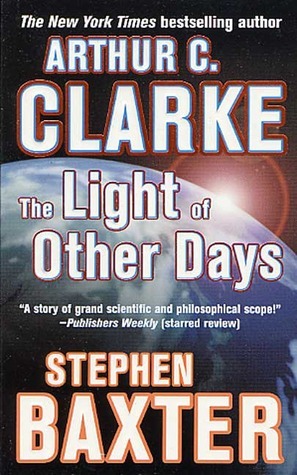
The Light of Other Days [Book] Skybridge Skybridge Goodreads
When a brilliant, driven industrialist harnesses the cutting edge of quantum physics to enable people everywhere, at trivial cost, to see one another at all times: around every corner, through every wall, into everyone's most private, hidden, and even intimate moments. It amounts to the sudden and complete abolition of human privacy--forever.
Then, as society reels, the same technology proves able to look backwards in time as well. What happens next is a story only Arthur C. Clarke and Stephen Baxter could tell. The Light of Other Days is a novel that will change your view of what it is to be human.
Then, as society reels, the same technology proves able to look backwards in time as well. What happens next is a story only Arthur C. Clarke and Stephen Baxter could tell. The Light of Other Days is a novel that will change your view of what it is to be human.
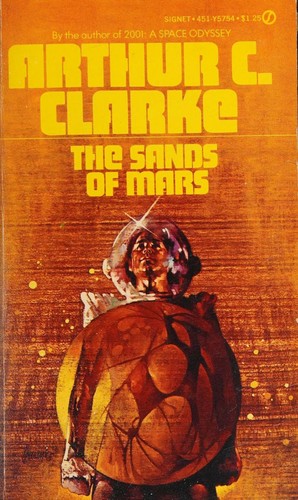
The sands of Mars [Book] Open Library
A Signet book.
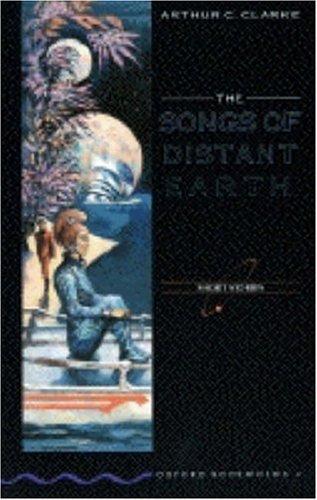
The Songs of Distant Earth [Book] Open Library
Oxford Bookworms S.
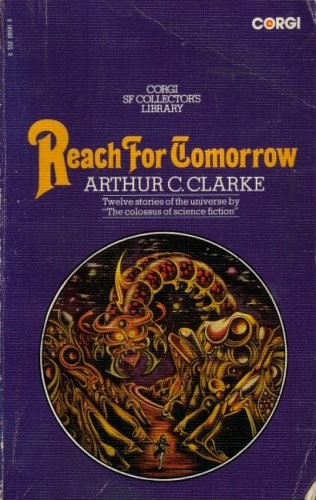
Reach for tomorrow [Book] Open Library
This collection originally published, New York , Ballantine, 1956 ; London, Gollancz, 1962.
Of Time and Stars: The Worlds of Arthur C.Clarke [Book] Goodreads
◼ පොළොව යට ඇති ශිෂ්ටාචාරයක්
◼ අත ලඟ එන අයිස් යුගයක්
◼ අපට මග පෙන්වූ අමුත්තෙක්
◼ ලෝක විනාශය ගැන කියවෙන පණිවුඩයක්
මෙම ප්රබන්ධ විද්යාත්මක අදහස් පැහැදිලි කරනු පමණක් නොව, වෙනස් ආකාරයකට සිතීමට ද පාඨකයාට අනුබල දෙනු නොවනුමානයි. . .
Introduction • (1972) J.B. Priestley
If I Forget Thee, Oh Earth... • (1951)
All the Time in the World • (1952)
An Ape About the House • (1962)
Feathered Friend • [The Other Side of the Sky] • (1957)
Green Fingers • [Venture to the Moon] • (1956)
Hide and Seek • (1949)
Into the Comet • (1960)
No Morning After • (1954)
Robin Hood, F.R.S. • [Venture to the Moon] • (1956)
Security Check • (1956)
The Fires Within • (1947)
The Forgotten Enemy • (1948)
The Nine Billion Names of God • (1953)
The Reluctant Orchid • [Tales from the White Hart] • (1956)
The Sentinel • [A Space Odyssey] • (1951)
Trouble with the Natives • (1951)
Who's There? • (1958)
Encounter at Dawn • [A Space Odyssey] • (1953)
◼ අත ලඟ එන අයිස් යුගයක්
◼ අපට මග පෙන්වූ අමුත්තෙක්
◼ ලෝක විනාශය ගැන කියවෙන පණිවුඩයක්
මෙම ප්රබන්ධ විද්යාත්මක අදහස් පැහැදිලි කරනු පමණක් නොව, වෙනස් ආකාරයකට සිතීමට ද පාඨකයාට අනුබල දෙනු නොවනුමානයි. . .
Introduction • (1972) J.B. Priestley
If I Forget Thee, Oh Earth... • (1951)
All the Time in the World • (1952)
An Ape About the House • (1962)
Feathered Friend • [The Other Side of the Sky] • (1957)
Green Fingers • [Venture to the Moon] • (1956)
Hide and Seek • (1949)
Into the Comet • (1960)
No Morning After • (1954)
Robin Hood, F.R.S. • [Venture to the Moon] • (1956)
Security Check • (1956)
The Fires Within • (1947)
The Forgotten Enemy • (1948)
The Nine Billion Names of God • (1953)
The Reluctant Orchid • [Tales from the White Hart] • (1956)
The Sentinel • [A Space Odyssey] • (1951)
Trouble with the Natives • (1951)
Who's There? • (1958)
Encounter at Dawn • [A Space Odyssey] • (1953)
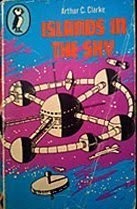
Islands in the Sky [Book] Goodreads
The story of 'Islands in the Sky' centers around a young man, who, after brilliantly winning a space-related competition, requests a vacation on a space station as his prize. It is written with Arthur C. Clarke's obvious knowledge of science, but moves at a page turning rate througout the entire narrative. The short novel gives a realistic possiblilty of work and play in future space, hightened with constant excitment and action.
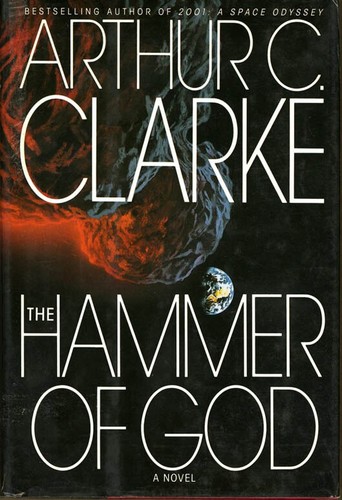
The Hammer of God [Book] Open Library
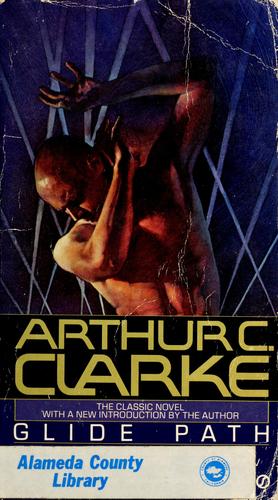
Glide path [Book] Open Library
"A Signet book."
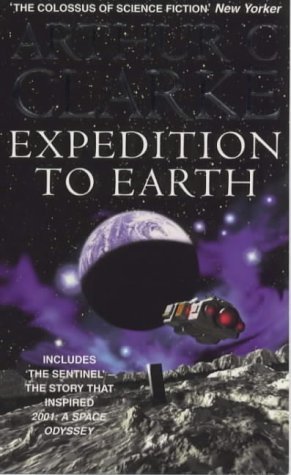
Expedition to Earth [Book] Goodreads
A collection of science fiction short stories by Arthur C. Clarke.
Contents:
Second Dawn
If I Forget Thee, Oh Earth
Breaking Strain
History Lesson (as "Expedition to Earth" in the British Edition, Sidgwick & Jackson, 1954)
Superiority
Exile of the Eons
Hide-and-Seek
Expedition to Earth (as "Encounter in the Dawn" in the British Edition, Sidgwick & Jackson, 1954)
Loophole
Inheritance
The Sentinel (basis for 2001)
Contents:
Second Dawn
If I Forget Thee, Oh Earth
Breaking Strain
History Lesson (as "Expedition to Earth" in the British Edition, Sidgwick & Jackson, 1954)
Superiority
Exile of the Eons
Hide-and-Seek
Expedition to Earth (as "Encounter in the Dawn" in the British Edition, Sidgwick & Jackson, 1954)
Loophole
Inheritance
The Sentinel (basis for 2001)